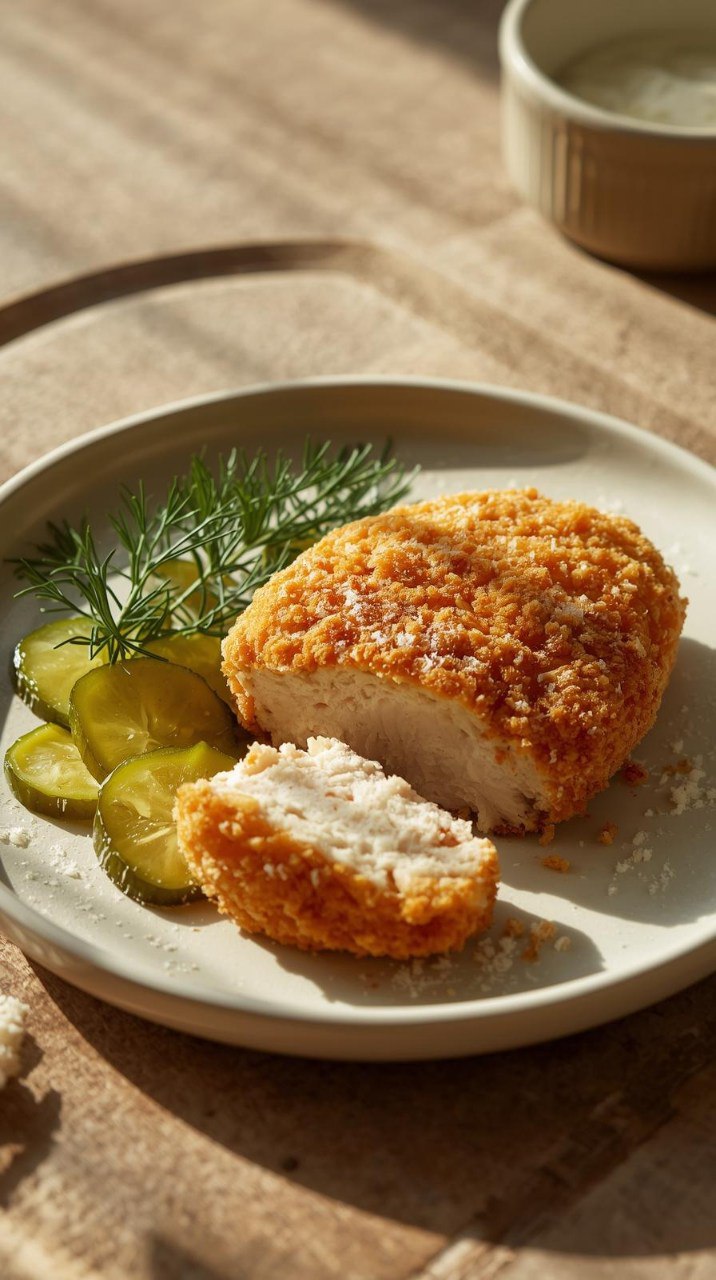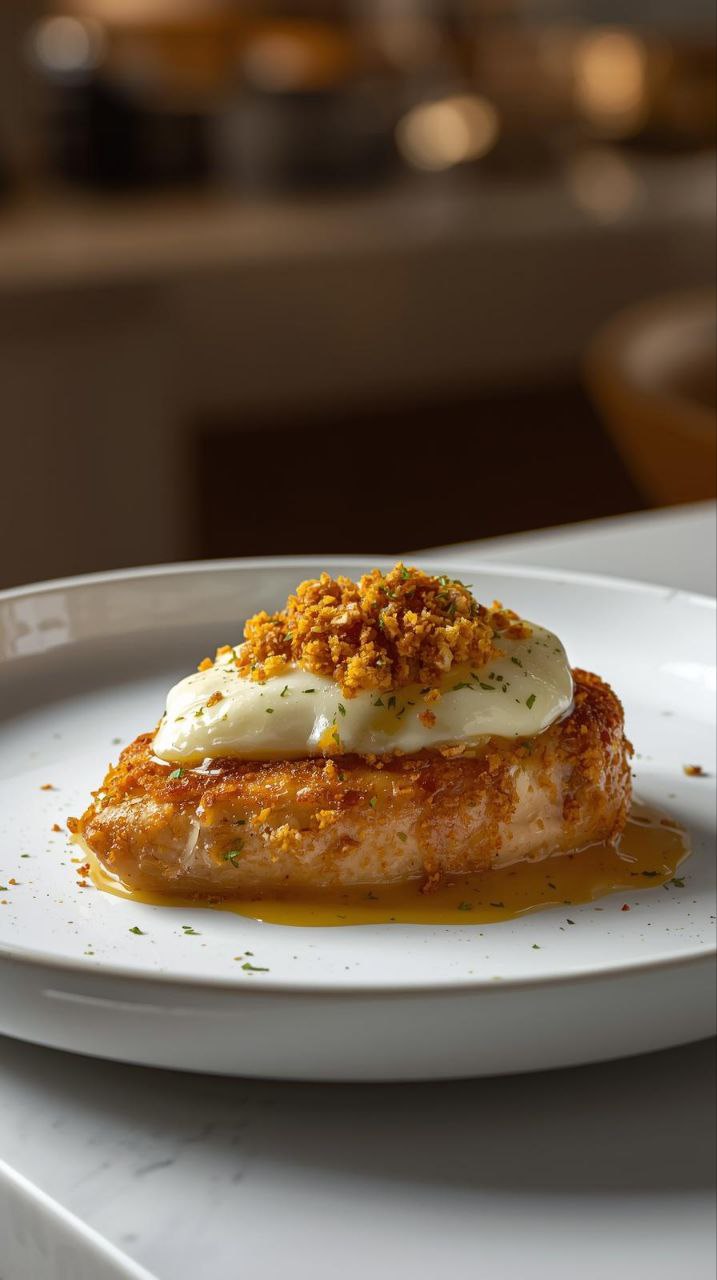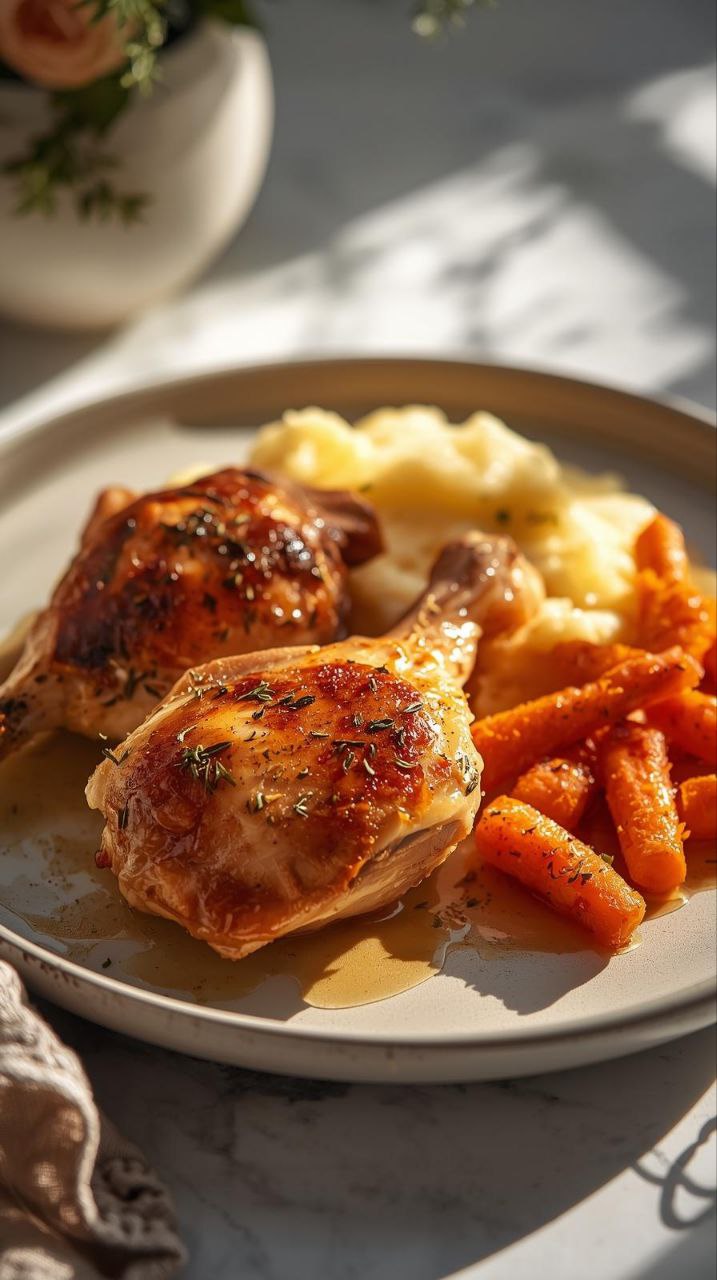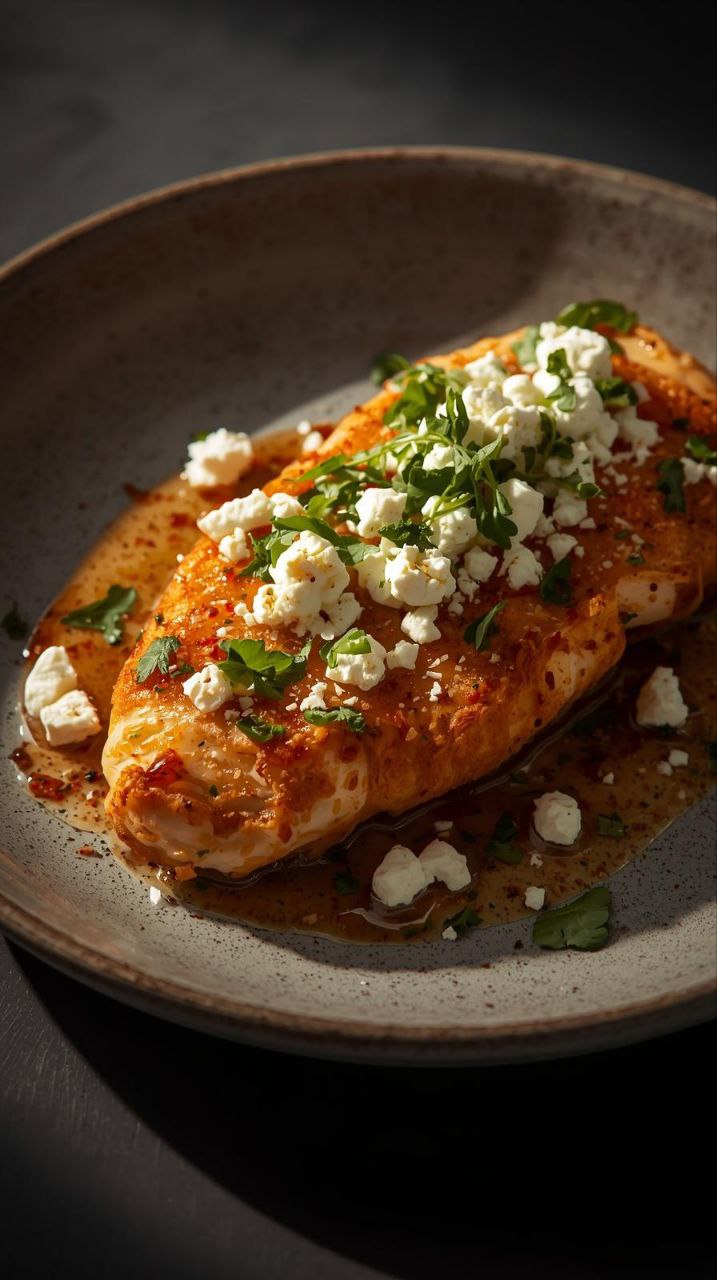
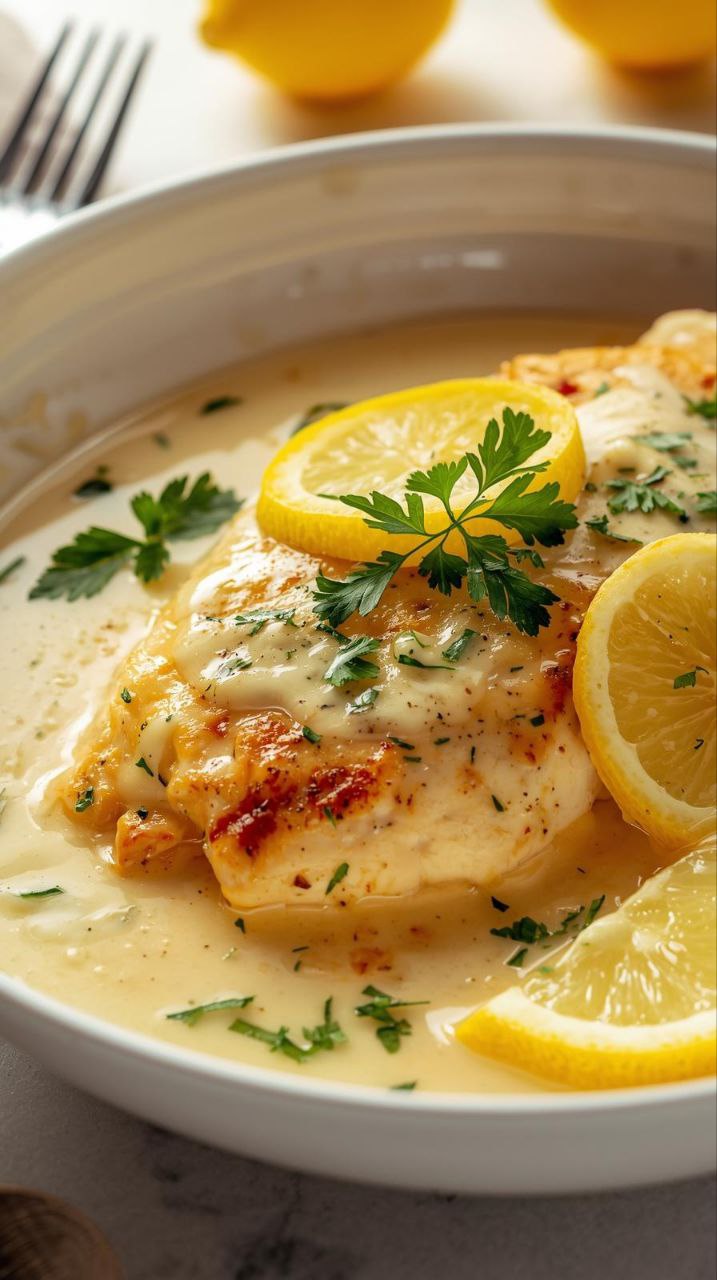
Easy 30-Minute Lemon Butter Chicken Francese Recipe
I make Lemon Butter Chicken Francese when I want something steady and familiar, but not dull. It is the sort of dish I reach for when the day has already been full and I want the cooking to feel contained. I know how long it takes. I know how it behaves in the pan. I know how it tastes before it even reaches the table.
I tend to cook Lemon Butter Chicken Francese in the early evening, once the kitchen has cooled down and the noise of the day has softened. It fits neatly into my routine because it asks for attention without demanding urgency. Nothing here needs rushing. Nothing benefits from improvisation. The process rewards steadiness more than enthusiasm.
This is not a dish I save for special occasions. I make it often enough that the movements feel familiar. The pan comes out without thinking. The butter is measured by habit. The lemon is squeezed without ceremony. It works because it is reliable, and because it settles comfortably into the rhythm of everyday cooking.
Context of Use
Lemon Butter Chicken Francese works best for me as a weeknight meal, though it holds its own at the weekend as well. On weekdays, I usually serve it with something simple and quiet alongside it. On weekends, I might add a little more to the plate, but the core of the dish stays the same.
I find it especially suited to late winter and early spring, when heavier food starts to feel unnecessary but raw salads still feel out of place. The lemon brings clarity without sharpness, and the butter keeps everything grounded. It is warming without being heavy.
Most often, I cook Lemon Butter Chicken Francese for two people. It scales easily, but I rarely do. There is something about this dish that feels best kept modest. It cooks evenly, sits well on the plate, and does not need to be stretched to feel complete.
Ingredients, Explained Simply
I keep the ingredients for Lemon Butter Chicken Francese straightforward. Each one has a clear role, and I have learned over time which details matter and which do not.
- Chicken breast
I use chicken breast because it cooks quickly and stays tender when handled gently. I no longer bother with very thick pieces. Thin, even cuts make the cooking calmer and more predictable. - Flour
The flour is there for light coating, not bulk. It helps the egg cling and gives the sauce something to settle into later. I do not season the flour heavily. - Eggs
The eggs provide structure and softness. They should coat without dripping. I have learned not to overbeat them. A light hand keeps the coating delicate. - Butter
Butter gives body and familiarity. I use it generously but not carelessly. Too much dulls the lemon. Too little leaves the sauce thin. - Lemon
Fresh lemon matters here. Bottled juice flattens the dish. I look for balance rather than sharpness. The lemon should lift, not dominate. - Stock or water
I use a light stock if I have it. Water works if I do not. I no longer chase depth here. The sauce is meant to be clean. - Salt
I season in stages, quietly. The sauce should taste settled, not pronounced.
There are things I no longer bother adding. I leave out garlic. I skip cream. I do not finish with herbs unless I happen to have them already washed and ready. Lemon Butter Chicken Francese does not need embellishment to work.
Cooking Flow
The cooking of Lemon Butter Chicken Francese moves at a measured pace. The pan should be warm, not aggressive. When the chicken touches the surface, I listen for a soft, steady sound rather than a sharp sizzle. That sound tells me the heat is right.
As the chicken cooks, the coating firms gently. I watch for the change in colour rather than the clock. The egg sets first, then the flour. The surface becomes lightly structured without turning brittle.
When the butter goes into the pan, the sound lowers. The smell changes. It becomes rounder. I let it melt fully before adding anything else. Rushing this part makes the sauce feel unsettled.
The lemon juice tightens the sauce slightly. I add it slowly, watching how it reacts. The liquid should move easily across the pan, not race. The finished sauce coats the chicken lightly, clinging without pooling.
Throughout the process, the cooking remains calm. There is no moment that benefits from speed. Lemon Butter Chicken Francese rewards attention, not force.
Small Errors & Adjustments
I have made a few small mistakes with Lemon Butter Chicken Francese over the years, and they have taught me restraint.
Once, I let the pan get too hot before adding the chicken. The coating browned too quickly and tasted dry. Since then, I keep the heat moderate and let the pan come to temperature slowly.
Another time, I added all the lemon juice at once. The sauce tightened abruptly and lost its softness. Now I add it gradually and stop when it tastes balanced.
I also learned not to overcrowd the pan. Cooking in batches keeps the texture even and the sound consistent. It is a small adjustment that makes the whole dish feel steadier.
Variations
I make only small changes to Lemon Butter Chicken Francese, depending on the day.
In warmer months, I sometimes add a little extra lemon zest for brightness. In colder weather, I leave it out and let the butter carry more weight.
If I am low on energy, I skip the final reduction and keep the sauce looser. It still works. It just behaves a little differently on the plate.
I do not change the core of the dish. It is not the sort of recipe that improves with reinvention. Familiarity is part of its strength.
Storage & Leftovers
Lemon Butter Chicken Francese keeps well in the fridge for up to two days. I store it in a shallow container so the sauce stays evenly distributed.
For reheating, I use a low pan with a splash of water or stock. Gentle heat matters here. The microwave tends to tighten the egg coating and dull the sauce.
I do not freeze this dish. The texture suffers, and the sauce separates. It is better made fresh or eaten within a day or two.
FAQ
Can I use chicken thighs instead of breast?
I can, but the texture is different. Thighs take longer and release more fat. I prefer breast for this dish.
Does Lemon Butter Chicken Francese need wine?
No. I no longer use wine here. Lemon and butter provide enough balance.
Can I make it ahead?
It is best cooked close to serving, but it reheats gently if needed.
Is it suitable for a reliable family dinner?
Yes. It is mild, balanced, and familiar.
Can I double the recipe?
I can, but I cook in batches to keep the texture even.
Closing
I continue to make Lemon Butter Chicken Francese because it fits easily into my cooking life. It does not demand attention beyond what it gives back. It behaves predictably. It tastes settled and complete.
This is the kind of easy evening meal that earns its place through repetition. It is simple home cooking that feels dependable without becoming dull. As a reliable family dinner, it holds steady, night after night, without needing explanation.
That is why it stays in my routine.
Recipe Card: Lemon Butter Chicken Francese
Prep Time: 15 minutes
Cook Time: 20 minutes
Servings: 2–3
Ingredients
- Chicken breast, thinly sliced
- Plain flour
- Eggs, lightly beaten
- Butter
- Fresh lemon juice
- Light chicken stock or water
- Salt
Method
Lightly coat the chicken in flour, then dip into beaten egg.
Cook gently in a warm pan until set and lightly golden.
Remove and keep warm.
Melt butter in the pan, then add lemon juice and stock.
Return chicken to the pan and warm through until coated.
Season quietly and serve.