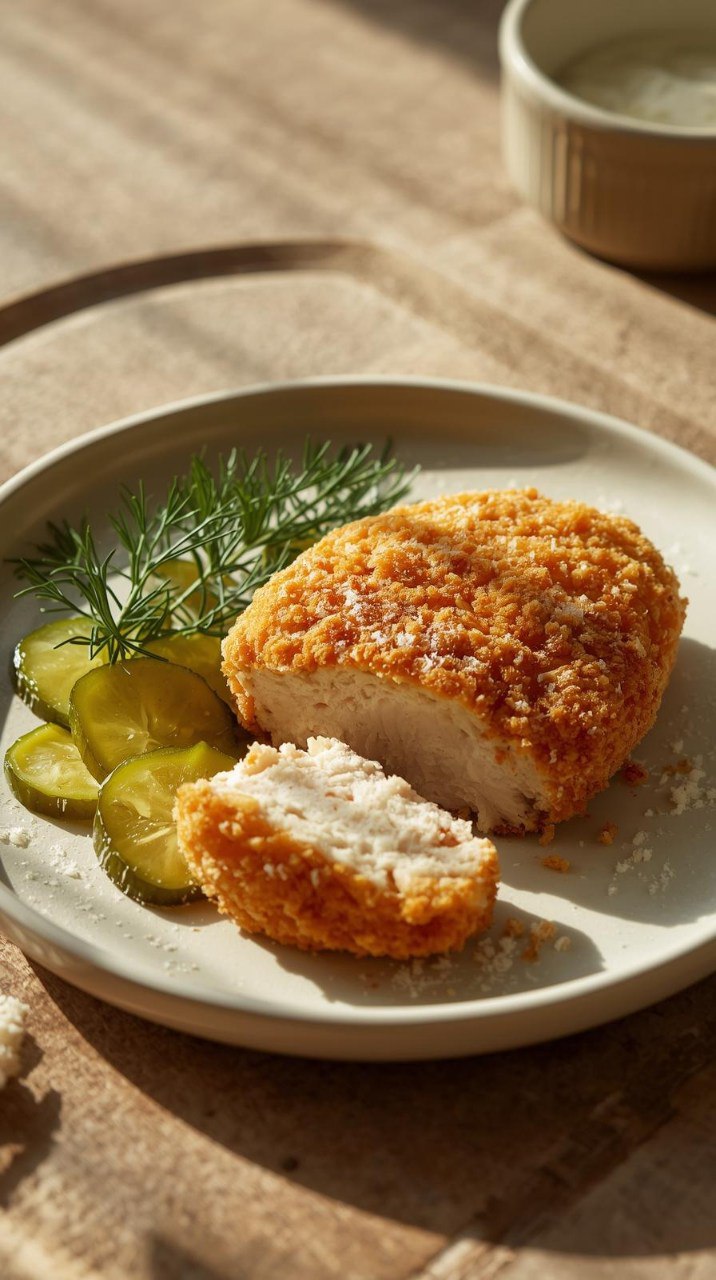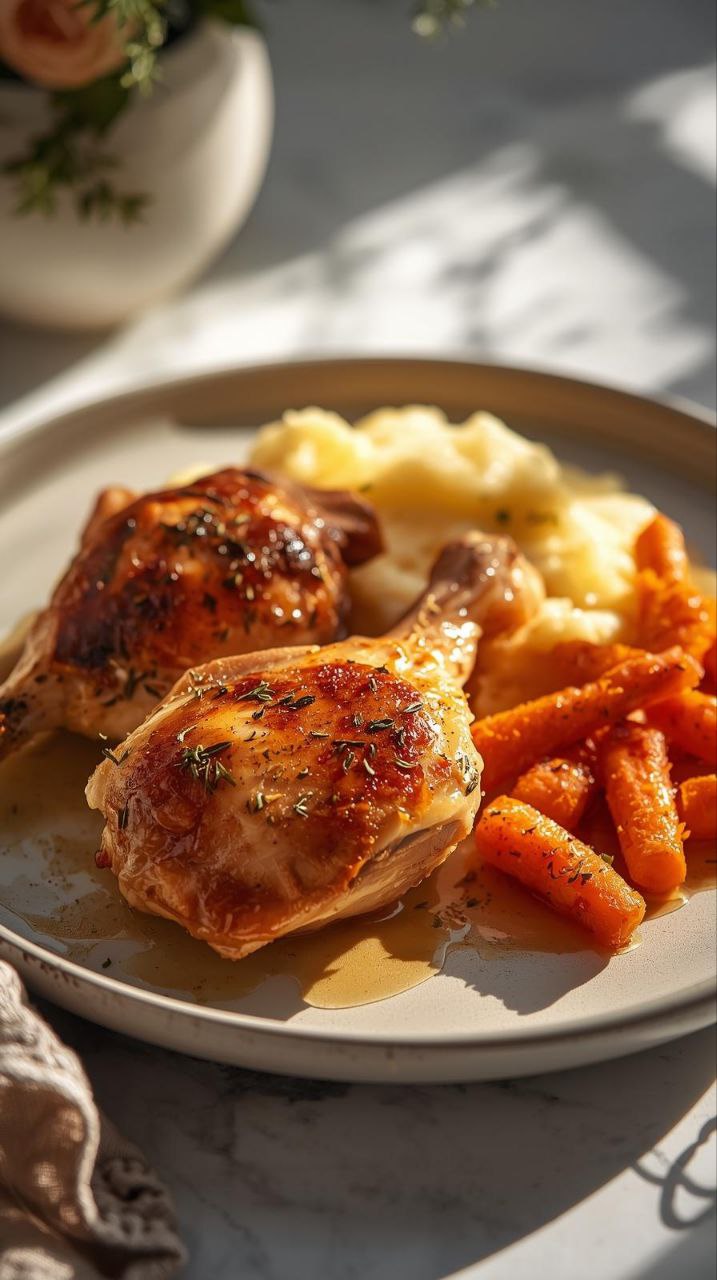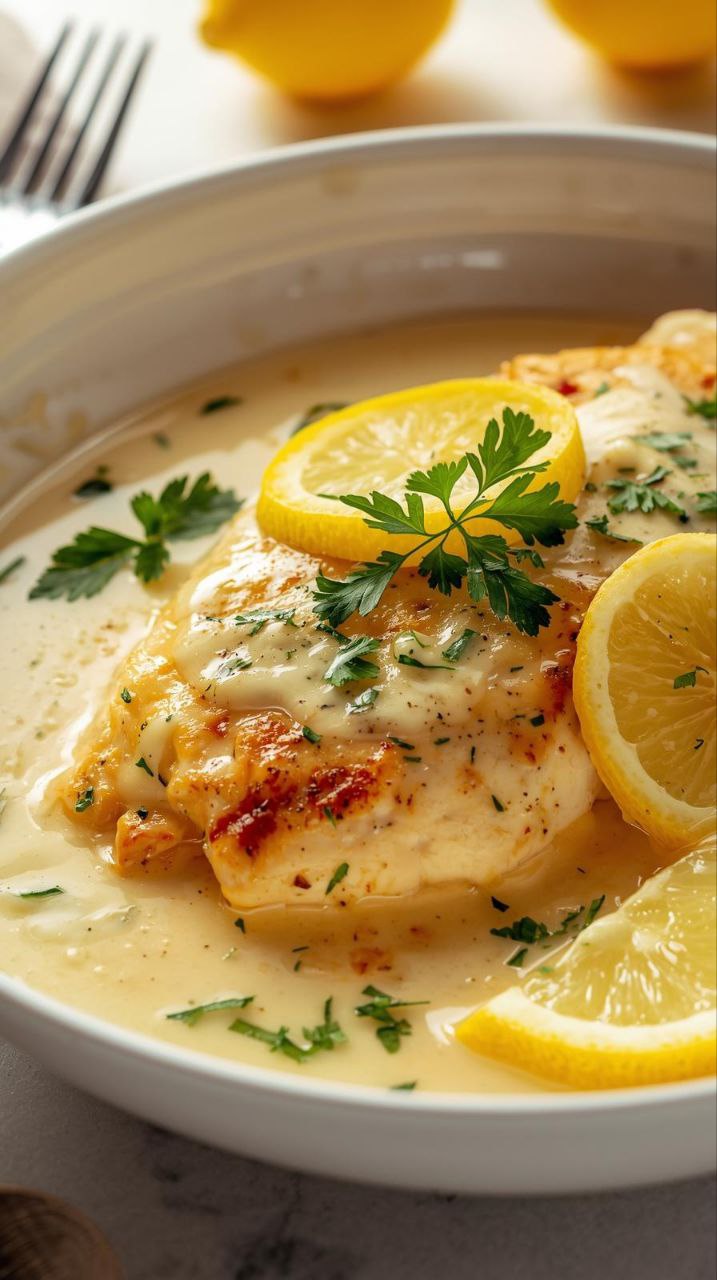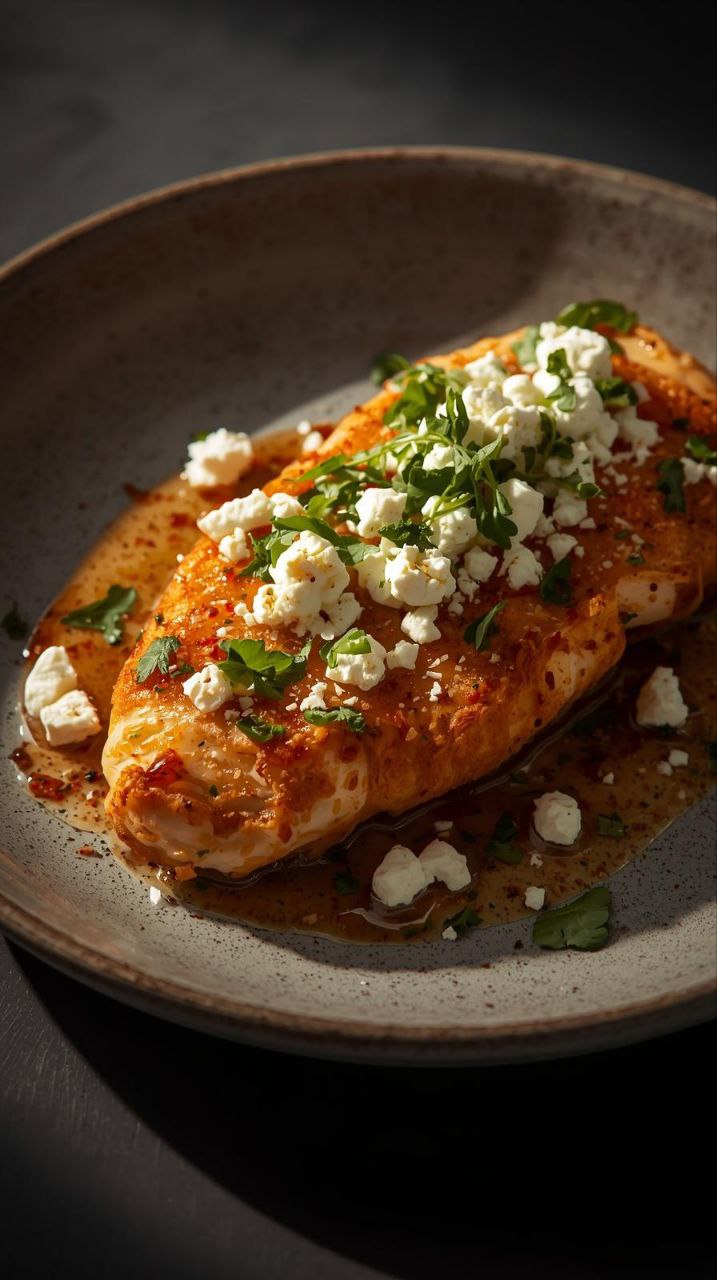
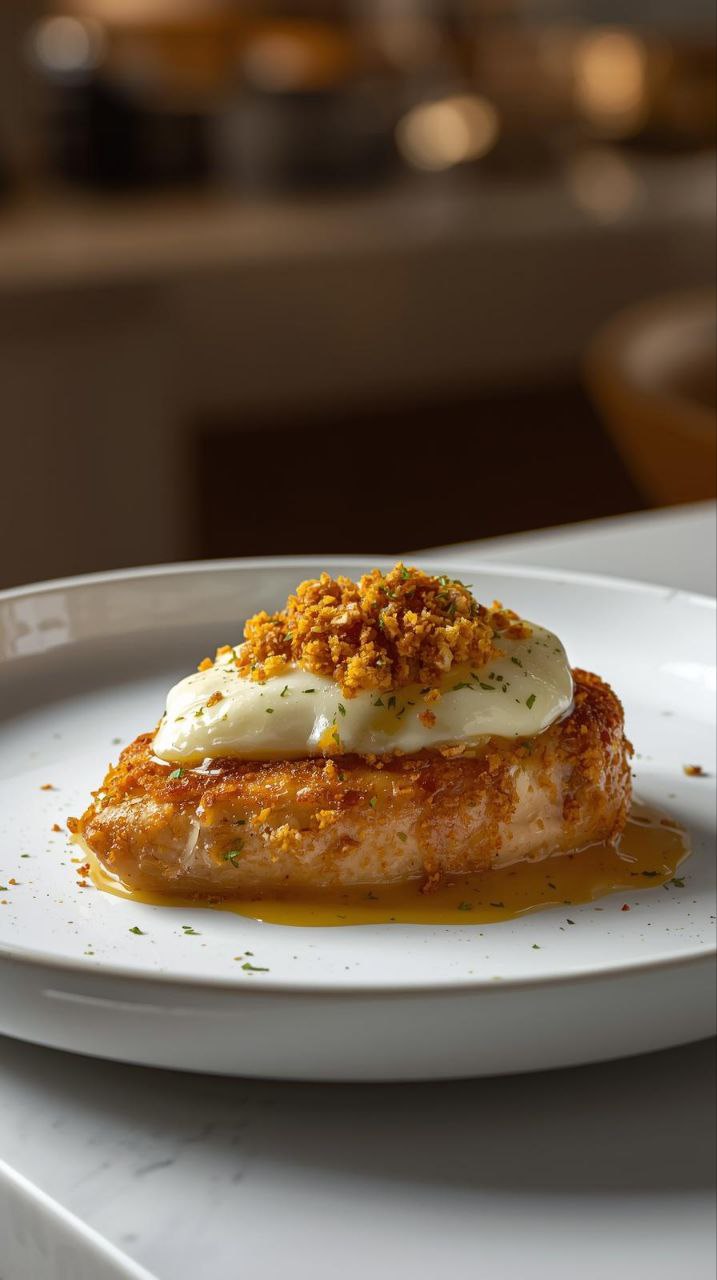
The Best Copycat Longhorn Steakhouse Parmesan Chicken Recipe
I make this Copycat Longhorn Parmesan Chicken Recipe when I want something familiar and steady at the end of the day. It is the sort of meal that settles into an evening without demanding attention. I usually cook it once everything else has been dealt with and the kitchen is already warm from earlier use. It fits easily into my routine because it relies on ordinary ingredients and predictable timing, and because I know how it behaves in the pan and in the oven.
This is not a dish I rush. I have cooked it enough times to understand where it asks for patience and where it does not. The flavour is direct and recognisable, and it holds together well even when the day has been uneven. That reliability is why it stays in rotation.
Context of Use
I tend to make Copycat Longhorn Parmesan Chicken Recipe on a weeknight rather than saving it for the weekend. It works when there is not much space for improvisation. The structure is clear, and I can cook it alongside a few vegetables without having to think too hard about sequencing.
It suits cooler evenings better than very hot weather. The oven needs to be on, and the dish has a certain weight to it that feels right when the light fades earlier. I usually cook it for myself and one other person, occasionally with enough left over for the next day. It scales quietly without becoming awkward.
Ingredients, Explained Simply
I have pared the ingredients back over time. I keep what matters and ignore what does not make a noticeable difference.
- Chicken breasts matter. I look for ones that are evenly sized so they cook at the same pace. Very large pieces throw the timing off.
- Parmesan provides the backbone. I use a firm, well-aged block and grate it myself. Pre-grated versions tend to melt unevenly.
- Mozzarella softens the sharpness of the Parmesan. I do not need much. Too much makes the topping heavy.
- Breadcrumbs add texture. I usually use plain ones. Seasoned crumbs tend to push the flavour too far.
- Butter and oil together give better control over browning. I stopped choosing one or the other years ago.
- Garlic matters, but only to a point. I use it sparingly so it does not dominate.
- Herbs are flexible. Parsley is what I reach for most often, but I do not insist on it.
I no longer bother with elaborate marinades. They do not improve the dish enough to justify the extra time.
Cooking Guide
When I cook Longhorn Steakhouse Parmesan Chicken, I listen more than I watch. The chicken should meet the pan with a quiet but confident sound, not a hiss that suggests the heat is too aggressive. I want steady browning rather than fast colour.
The coating changes texture as it cooks. It begins slightly damp and settles into something firmer once the heat has done its work. I pay attention to the resistance when I turn the chicken. If it releases easily, it is ready. If not, it needs more time.
In the oven, the topping softens first and then tightens. The cheese melts and then draws together, forming a surface that holds when sliced. I wait for that moment. Pulling it too early leaves everything loose. Leaving it too long dries the chicken.
Small Errors & Adjustments
I have learned a few small lessons that now feel obvious.
I used to keep the heat too high at the start, which browned the coating before the chicken had time to cook evenly. Lower heat and patience solved that.
I once layered too much cheese on top, thinking it would improve the dish. It did not. It insulated the chicken and slowed everything down.
I also learned to let the chicken rest briefly after cooking. Cutting too soon lets the juices escape and thins the texture.
Variations
I only change this dish when there is a practical reason.
In summer, I sometimes reduce the cheese slightly and serve it with lighter vegetables.
If I am low on energy, I skip the breadcrumb layer and rely on the cheese alone, accepting a softer finish.
When ingredients are limited, I use whatever hard cheese I have, provided it melts cleanly and tastes balanced.
I do not chase novelty here.
Storage & Leftovers
Longhorn Steakhouse Parmesan Chicken keeps well in the fridge for up to two days. I store it in a shallow container so it cools evenly.
Reheating works best in the oven at a low temperature. The microwave softens the coating too much and dulls the flavour.
I do not freeze it. The texture does not recover properly.
FAQ
Can I use chicken thighs instead of breasts?
I can, but the timing changes and the texture is richer. I prefer breasts for consistency.
Does it need to be served immediately?
It benefits from a short rest, but it does not hold well for long periods.
Can I prepare it ahead of time?
I sometimes prepare the components earlier in the day, but I cook it close to serving.
Is it very salty?
It should not be. Careful seasoning and measured cheese keep it balanced.
Can I make it gluten-free?
Using gluten-free breadcrumbs works without changing the method.
Closing
I continue to make Longhorn Steakhouse Parmesan Chicken because it does what I expect every time. It is a reliable family dinner and an easy evening meal that does not drift into complication. It fits into simple home cooking without asking to be noticed. Over the years, it has earned its place through repetition, not reinvention.
Recipe Overview : Longhorn Steakhouse Parmesan Chicken
Prep Time: 15 minutes
Cook Time: 30 minutes
Servings: 2–3
Ingredients
- Chicken breasts
- Freshly grated Parmesan
- Mozzarella
- Plain breadcrumbs
- Butter
- Olive oil
- Garlic
- Fresh parsley
- Salt and black pepper
Method
Prepare the chicken and coating ingredients. Brown the chicken gently in butter and oil until evenly coloured. Transfer to an oven dish, add the cheese topping, and bake until the chicken is cooked through and the cheese has set. Rest briefly before serving.
This Longhorn Steakhouse Parmesan Chicken remains part of my routine because it is dependable. It answers the need for a reliable family dinner without excess, and it continues to earn its place through quiet repetition rather than change.