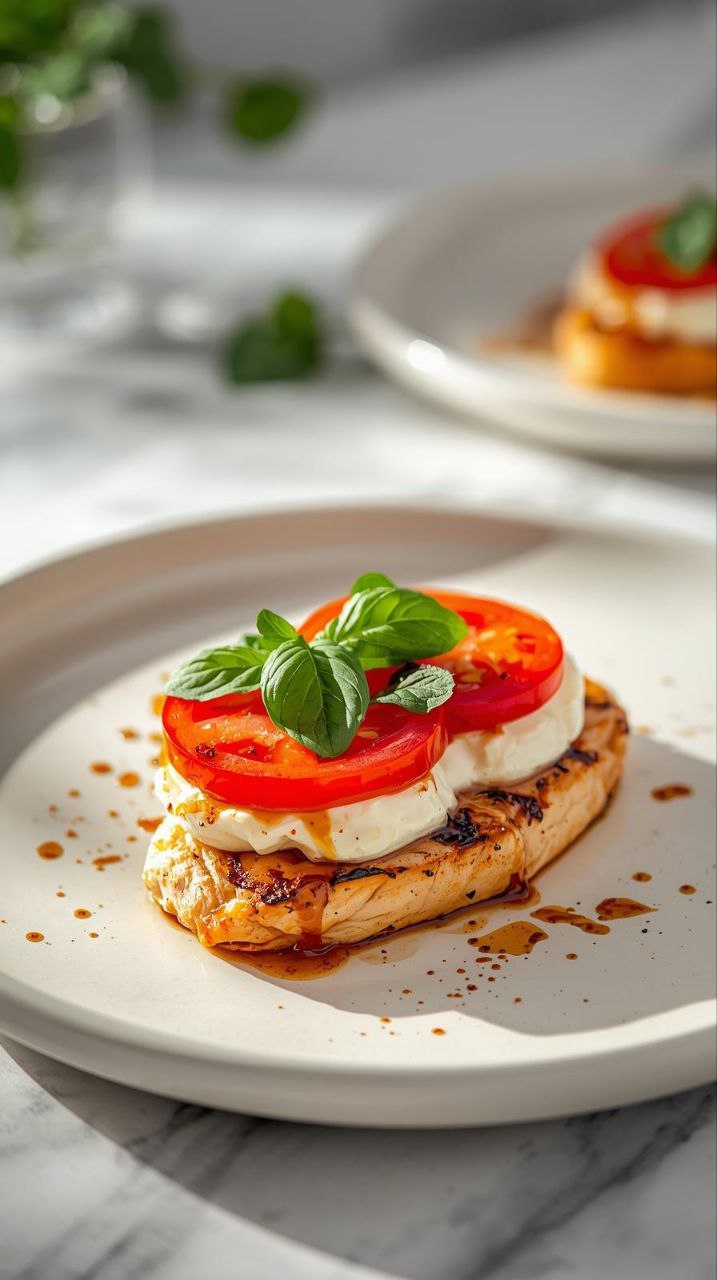
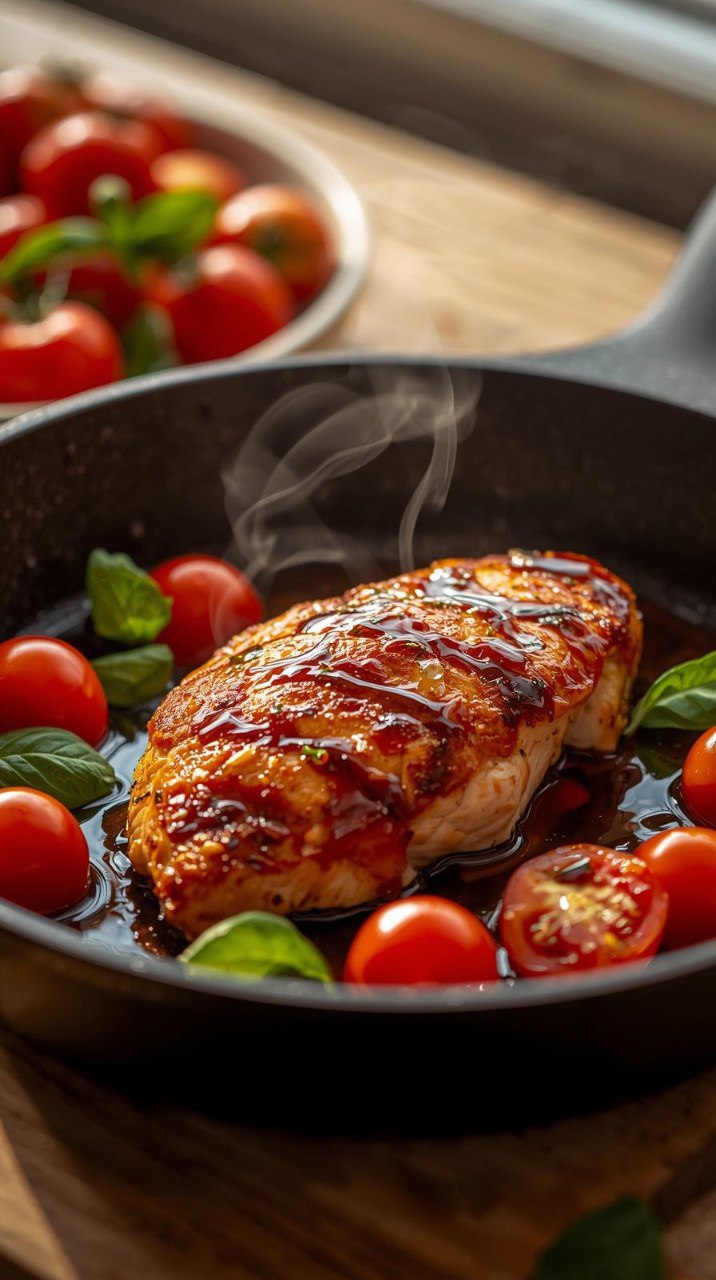
3 Simple Secrets for Incredible Balsamic Chicken Breast: Easy One-Pan Recipe
I make balsamic chicken breast with spinach and tomatoes when I want supper to take care of itself. It is the kind of meal I reach for on an ordinary evening, when I am tired enough to want something familiar but still want to eat properly. I have cooked it often enough that I no longer think of it as a “recipe” so much as a pattern I recognise.
This is a dish that fits neatly into my routine. It does not ask for much attention, but it rewards steadiness. The flavours are direct and balanced, and nothing about it feels forced. I know how long it takes, how it smells as it cooks, and how it should look when it is ready. That familiarity is part of why it stays in rotation.
Balsamic chicken breast with spinach and tomatoes works because it is restrained. It is not trying to be impressive. It cooks quietly, comes together in one pan, and leaves the kitchen calm when it is finished. I tend to cook it when I want an easy evening meal that still feels complete.
Context of Use
I usually make this on a weeknight. It suits evenings when there is limited time but no desire to rush. The cooking window is predictable, which matters more to me than speed. I know I can start it after work and still eat at a sensible hour.
This dish also sits comfortably across seasons. In warmer months, the tomatoes feel lighter and fresher. In colder weather, the balsamic gives enough depth to feel grounding without becoming heavy. Spinach bridges that gap well, adding colour and softness without weighing the dish down.
Most often, I cook balsamic chicken breast with spinach and tomatoes for myself or for two people. It scales easily, but it does not feel like a crowd dish. It is better suited to a small table, where the food can be served simply and eaten without ceremony. As a reliable family dinner, it does its job quietly.
Ingredients, Explained Simply
I keep the ingredients for balsamic chicken breast with spinach and tomatoes uncomplicated. Each one has a clear role, and I do not add anything that does not earn its place.
- Chicken breast
I use skinless chicken breast because it cooks evenly and stays clean in flavour. Thickness matters more than size. I prefer pieces that are even, so they cook at the same pace. - Balsamic vinegar
This provides acidity and depth. I use an everyday balsamic, not aged or sweetened. It should be sharp enough to cut through the chicken without becoming syrupy. - Fresh tomatoes
Cherry or small vine tomatoes work best. They soften and release juice without collapsing completely. I no longer bother peeling or deseeding them. - Spinach
Fresh spinach gives the dish softness at the end. It wilts quickly and absorbs flavour without needing attention. - Olive oil
Used sparingly for cooking. It carries heat and helps the chicken colour without masking the other ingredients. - Garlic
I keep it minimal. One or two cloves are enough. It should support the balsamic, not compete with it. - Salt and black pepper
Nothing more complicated than that. The balance comes from restraint.
Over time, I have stopped adding extras. I no longer include honey, sugar, or stock. They are unnecessary. The tomatoes and balsamic already provide enough balance when handled properly.
Cooking Flow
When I cook balsamic chicken breast with spinach and tomatoes, I pay attention to pace. The pan should be warm before the chicken goes in, but not aggressively hot. I listen for a gentle sizzle rather than a sharp crackle.
The chicken needs time to settle against the pan. I let it cook without moving it too early. When it is ready to turn, it releases itself. That moment is consistent if the heat is right.
As the tomatoes go in, the sound changes. There is a softer hiss as they meet the oil. They begin to slump after a few minutes, their skins tightening and then loosening as juice collects at the base of the pan.
The balsamic comes next, and the smell shifts immediately. It sharpens, then rounds out as it warms. I let it reduce slightly, just enough to coat the chicken without thickening too far.
Spinach goes in at the end. It looks excessive for a few seconds, then collapses quickly. The pan becomes quieter again, and the dish settles. At that point, everything has found its place.
Small Errors & Adjustments
Over the years, I have made small mistakes with this dish, and I have adjusted accordingly.
I used to cook the chicken on too high a heat, which led to tough edges before the centre was ready. Lowering the heat slightly solved that.
I once added the balsamic too early and let it reduce too far. It became sticky and overpowering. Now I wait until the chicken is nearly cooked before adding it.
I also learned not to crowd the pan. Too much chicken at once lowers the temperature and steams rather than browns. Cooking in batches is quieter and more reliable.
These are minor corrections, but they matter.
Variations
I keep variations modest and practical.
In summer, I sometimes add a few extra tomatoes and let them soften more fully. The dish becomes looser and lighter.
In winter, I may add a small splash of water or stock to loosen the pan juices if they reduce too far. This keeps the sauce gentle rather than dense.
On low-energy evenings, I skip chopping finely. Roughly sliced garlic and halved tomatoes are enough. Precision is not required here.
I do not add cream, cheese, or herbs. They change the character of the dish more than I want.
Storage & Leftovers
Balsamic chicken breast with spinach and tomatoes keeps well for up to two days in the fridge. I store it in a sealed container once fully cooled.
For reheating, I prefer a pan over the microwave. Gentle heat preserves the texture of the chicken and prevents the spinach from becoming overly soft.
Freezing does not work well. The spinach loses structure, and the tomatoes become watery. I only make what I expect to eat within a day or two.
FAQ
Can I use chicken thighs instead of breast?
Yes, but the cooking time will change, and the dish will be richer.
Do I need to marinate the chicken?
No. Proper seasoning and timing are enough.
Can I use frozen spinach?
I do not recommend it. The texture and moisture content are wrong for this dish.
Is this suitable as a reliable family dinner?
Yes. The flavours are balanced and approachable.
What should I serve it with?
Plain rice, potatoes, or bread work well. I keep sides simple.
Closing
I still make balsamic chicken breast with spinach and tomatoes because it does what I need it to do. It fits into ordinary evenings without effort. It cooks predictably, tastes balanced, and leaves me feeling fed rather than overwhelmed.
This is simple home cooking in the best sense. It is not a dish I grow tired of, because it asks very little and delivers exactly what it promises. That reliability is why it remains part of my routine.
Recipe Card
Balsamic Chicken Breast with Spinach & Tomatoes
Prep time: 10 minutes
Cook time: 25 minutes
Servings: 2–3
Ingredients
- 2–3 skinless chicken breasts
- 2 tbsp olive oil
- 2 cloves garlic, lightly crushed
- 200g cherry or vine tomatoes
- 3 tbsp balsamic vinegar
- 150g fresh spinach
- Salt and black pepper
Method
Heat the olive oil in a wide pan over medium heat. Season the chicken and cook until lightly coloured and nearly cooked through. Add the garlic and tomatoes and cook until the tomatoes soften. Pour in the balsamic vinegar and allow it to reduce slightly. Add the spinach and let it wilt into the pan. Season to taste and serve warm.
If you want, I can next:
- adapt this into a Pinterest pin description set
- write a second dish in the same voice for internal linking
- or tune this further for UK food ad compliance
Just say what you want adjusted.